
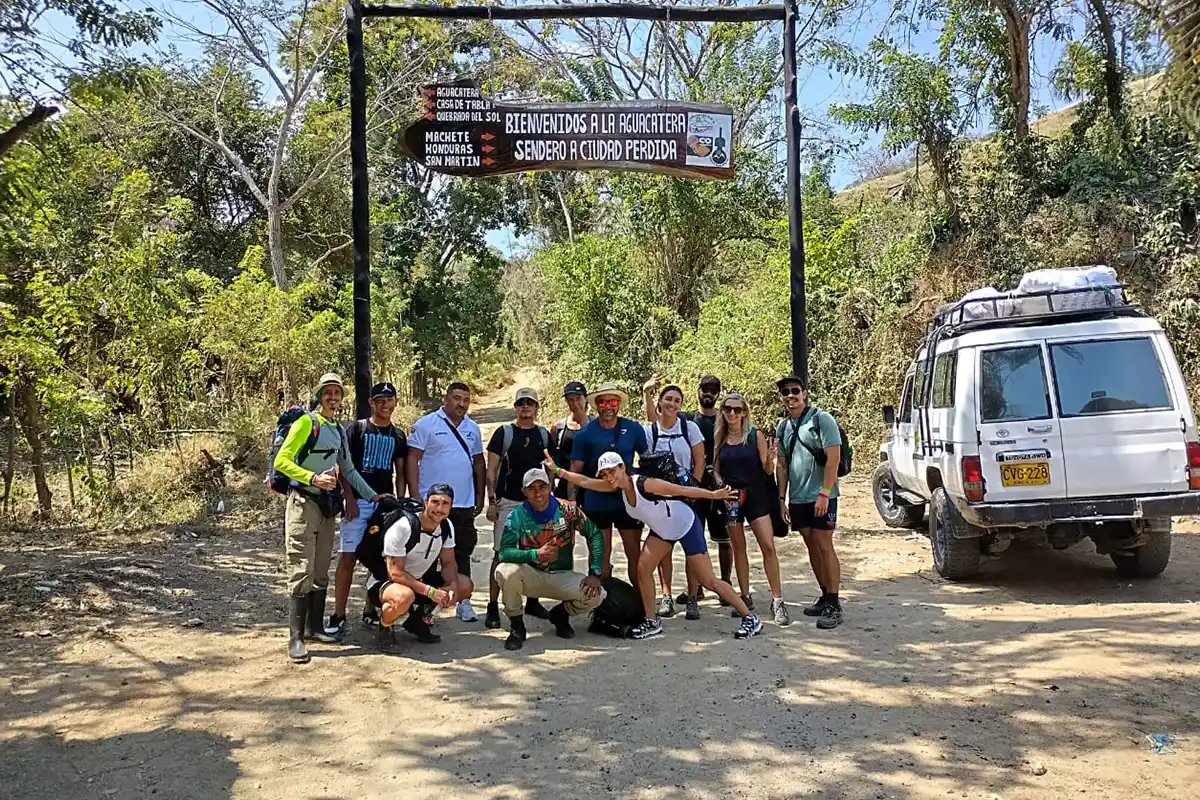
⚠️ Minimum 2 people to start the 3-Day Lost City tour.
The 3-day Lost City trek is a unique adventure in the Sierra Nevada de Santa Marta where tourists must be in good physical condition to complete the route. This 3-day trek to Teyuna is the express way to discover one of South America’s most important archaeological sites.
It’s a demanding journey with 3 days of long hikes featuring humid trails, prolonged ascents, imposing mountains, and river crossings that test you, but reward you with vibrant jungle scenery, wildlife, indigenous communities, ancestral terraces, and that feeling of entering a sacred place in the heart of the world.
Throughout the 3-day Lost City tour, travelers hike between 8 and 9 hours daily on challenging trails. The stages are long and rest is minimal; it’s a demanding route, so being in very good physical condition is essential to fully enjoy the experience.
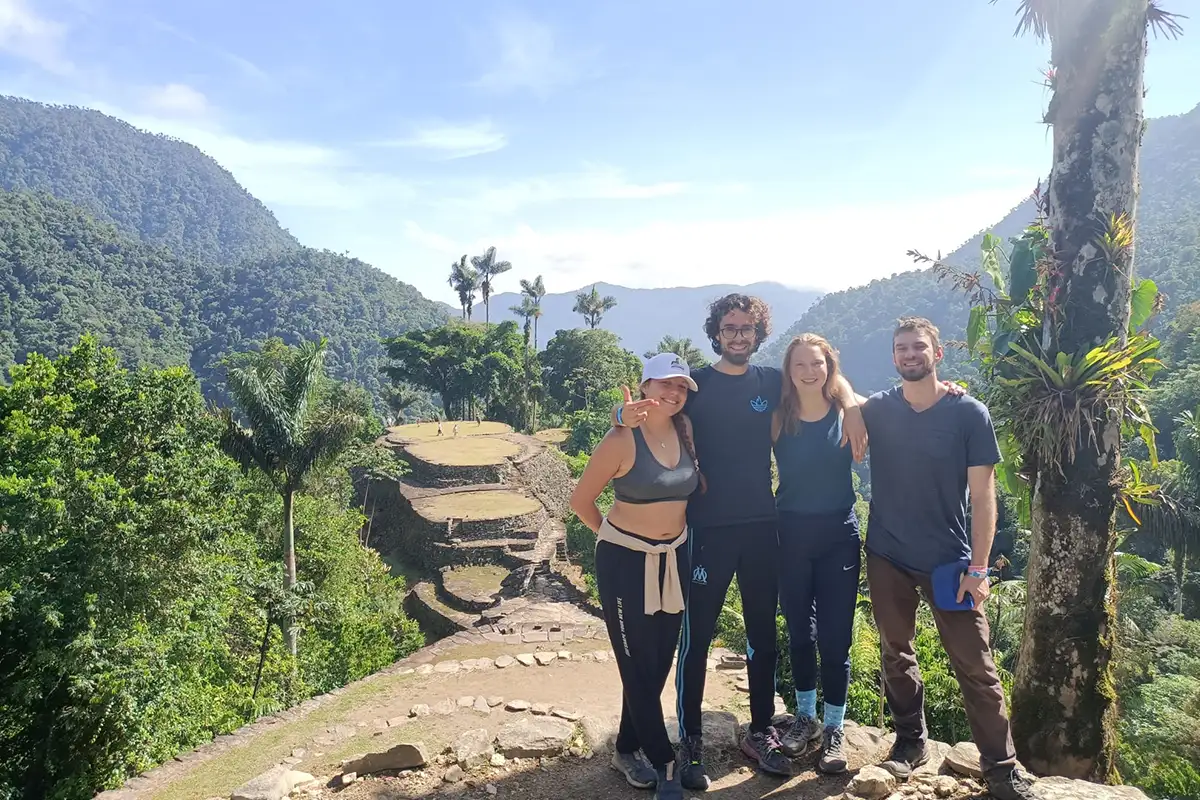
The Lost City is a sacred place for the local indigenous communities, descendants of the Tayronas. Exploring this archaeological site is like unraveling an ancestral enigma and an experience that connects you with the past while immersing yourself in the majesty of the surrounding nature.
Day 1: Santa Marta → El Mamey → Adan Camp → Mumacke Camp → Paso Lorenzo Camp
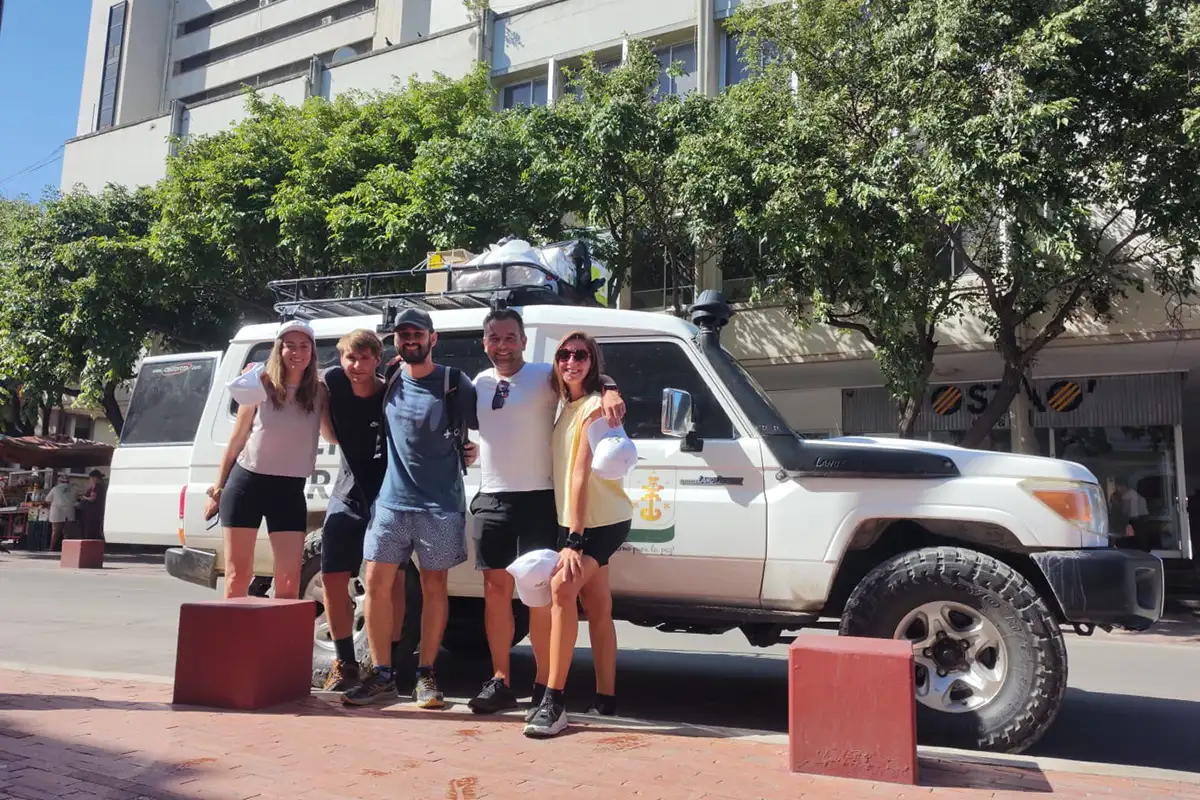
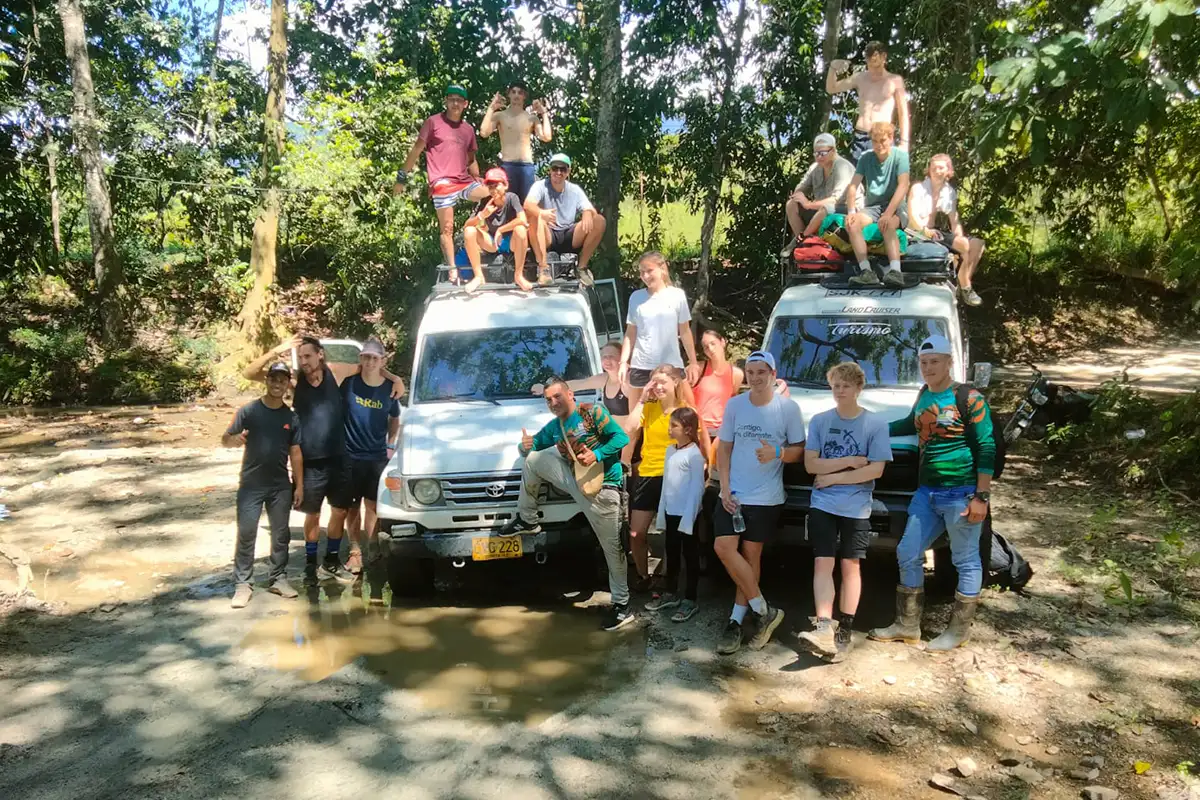
At 4:00 AM, tourists will be picked up from their accommodations and transferred by road to El Mamey, a village located in the Sierra Nevada de Santa Marta.
Some tourists use this approximately 2-hour 4x4 journey to catch some sleep and recharge for the 3-day Lost City trek.
Around 6:00 AM, the group will arrive at El Mamey (Machete Pelao) for breakfast and receive instructions from the guide regarding the itinerary, safety, day's weather, pace, and water management.
After the guide's briefing, around 7:00 AM, you'll start an approximately 1-hour mototaxi ride to Adan Camp, where the trekking begins.
The 3-day Lost City tour begins at 8:00 AM with an approximately 8 km hike. The trail combines gradual ascents, shaded sections under the dense jungle, and some river crossings descending from the mountain. The pace is steady, with brief breaks every 45–60 minutes to rehydrate and regain energy.
After approximately 4 hours of hiking, you'll arrive at Mumacke Camp, a cabin where the group will have lunch and rest a bit from the walk.
Once you've rested after lunch, you'll resume the hike towards Paso Lorenzo Camp. This final section, approximately 5 hours long, includes demanding ascents and very muddy trail sections. Therefore, it's recommended to move with short, firm steps at a constant pace to ensure a safe and more manageable journey.
At the end of the day's route, you'll enjoy a well-deserved rest at Paso Lorenzo Camp. There, you'll have dinner and spend the night, either in beds or hammocks, depending on cabin availability. You'll also have the opportunity to shower and recharge your cameras or mobile devices.
At this point, you'll be very close to the Tayrona Lost City, which you'll visit the next day. Before sleeping, the guide will offer a brief talk about the trek on the Teyuna terraces and key instructions for the following day.
Day 2: Paso Lorenzo → Teyuna Lost City → Return to Camp → Mumacke Camp
The second day starts very early; tourists will have hot coffee and a light breakfast to begin the day with energy. You can leave some luggage at Paso Lorenzo Camp and only take what's necessary to visit the Lost City: water, a rain jacket, and a camera.
The hike begins by skirting the Buriticá River until you reach one of the trek's most iconic sections: the ascent up the 1,200 stone steps that lead to Teyuna Lost City. These irregular stairs require concentration and short, steady steps. The pace is slow, maintaining controlled breathing to make the ascent more manageable.
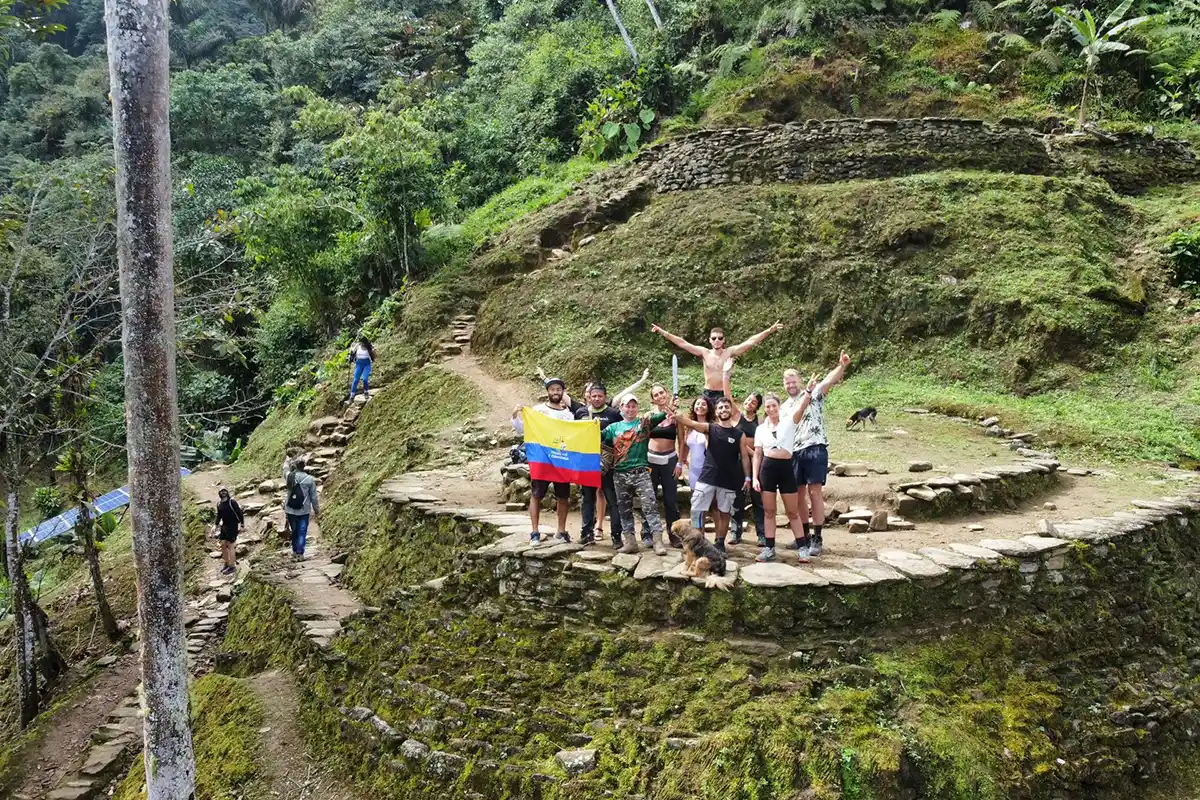
By mid-morning, you'll arrive at Teyuna, the archaeological heart of the Sierra Nevada de Santa Marta and ancestral sanctuary of the Tayrona people. During the guided tour, you'll visit:
The guide will share the history, worldview, and spiritual significance of this ancestral site, considered a sacred place by current indigenous communities. It's essential to maintain an attitude of absolute respect, be responsible with photographs, and avoid straying from authorized trails.
During the approximately 2-hour guided tour, there will be points to hydrate, take photos, and eat some snacks.
After the tour, you'll return to Paso Lorenzo Camp. This descent requires special care, as the steps can be somewhat wet. Trekking poles are very useful for maintaining stability. After completing the descent, you'll arrive at camp for lunch, to refill water, and rest briefly before continuing the descent to Mumacke Camp where you'll spend the night.
This section is done at a constant pace, with short stops for hydration. If the weather permits, you can enjoy a refreshing swim in the river, ideal for relaxing muscles and recovering energy for the next day.
Upon arriving at Mumacke, travelers will have dinner and prepare for the last day of trekking. It's a good time to organize your Day 3 backpack, keep your flashlight handy, and recharge electronic devices.
Day 3: Mumacke Camp → El Mamey → Santa Marta
The last day of the trek begins early at Mumacke Camp with a delicious breakfast to recharge energy for the return. Before departing, the guide will quickly check for blisters or chafing and, if necessary, apply bandages to ensure a more comfortable descent. It's also advisable to adjust your poles well, as the day includes prolonged downhill sections.
The trail is varied, with slopes that can challenge tired legs, so it's advisable to maintain a pace that allows you to converse without getting out of breath.
Around noon, the group will arrive back at El Mamey, where you'll enjoy the last homemade lunch of the tour. This is a good time to do gentle stretches, hydrate, change into a dry shirt, and celebrate completing the journey to Colombia's Lost City.
After lunch, you'll embark on the 4x4 vehicle journey back to Santa Marta. Arrival time can vary between 3:00 PM and 5:00 PM, depending on the weather, group pace, and traffic on the road.
This end of the day marks the conclusion of a demanding but deeply rewarding adventure, where travelers will have traversed jungle, mountains, rivers, and sacred terraces in one of South America's most outstanding treks.
It usually starts in Santa Marta, with a 4x4 transfer to Machete Pelao (El Mamey).
Day 1 combines a 4x4 vehicle journey, mototaxi transport, and a long hike to an intermediate camp.
Day 2 includes ascending the 1,200 steps to Teyuna (Lost City), a guided visit, and returning to an on-route camp.
Day 3 concludes with the return hike to El Mamey and the transfer to Santa Marta. Exact stops depend on the group's pace and the tour guide's logistics.
The total distance from El Mamey to the Lost City terraces is approximately 30 km, of which 7.5 km are by mototaxi and the other 22.5 km are hiking.
It's a high-difficulty itinerary. It requires cardiovascular endurance, legs accustomed to uneven terrain, and good management of the heat and humidity typical of the Sierra Nevada de Santa Marta. If you don't train beforehand with long hikes of 10–15 km, the most sensible option is to choose the 4-day Lost City tour. The route is segmented into four days, offering more breaks and better adaptation, allowing you to enjoy the cultural and natural environment with less time pressure.
Departure is usually very early, around 4:30 AM from Santa Marta (meeting point at the agency), with a 4x4 vehicle transfer to El Mamey.
Yes. In the camps along the Lost City route, you'll find shared bathrooms and basic cold-water showers. Keep in mind that availability may vary depending on the time and tourist flow at the camps; during peak times (morning-night), it's normal to wait your turn.
Cleanliness is maintained regularly, but you're in a jungle environment, so it's good to be prepared. Bring a towel, sandals, and small personal hygiene items.
It depends on camp availability; they offer double bunk beds with mosquito nets and hammocks with mosquito nets. For better sleep, bring earplugs and dry clothes exclusively for the nights.
Small backpack with waterproof cover, trekking footwear with good grip, 2–3 changes of quick-drying clothes, several pairs of socks, repellent, sunscreen, flashlight, rehydration salts, and band-aids in case you get blisters on your feet.
The guide will try to adjust paces with brief stops. In specific cases, the operating agency may reassign travelers to other groups to ensure safety and itinerary compliance.
Yes, we can adapt a special menu for you, but you must inform us when booking. Indicate allergies and restrictions in advance so that suitable gastronomic options can be prepared at each camp.
The tour is conducted with authorized tour guides and established camps. The mototaxis that provide transport on the first day are suitable for the route, have insurance, and specialized drivers for these types of roads. Most incidents are avoided by following safety instructions: staying with the group, using appropriate equipment, hydrating, and respecting the river during rainy season.
Camps usually provide filtered water to refill thermoses or plastic bottles. Bring two (1–1.5 L each) and rehydration salts to replenish electrolytes. Avoid drinking river water.
In some sections of the Lost City route, local farmers offer mule services for luggage at a variable cost (depends on distance and backpack weight). Ask about availability and rates, and also consider not carrying too much weight to move more safely and independently.
Yes, it's possible to swim in the Buriticá River at specific points, as long as water flow and weather conditions permit. The guide will indicate authorized locations and swimming times to maintain group safety.
Use water sandals, avoid swimming in deep or strong current areas, and do not use soap in the river. If it has rained heavily or the river level rises, swimming may be suspended as a precaution.