
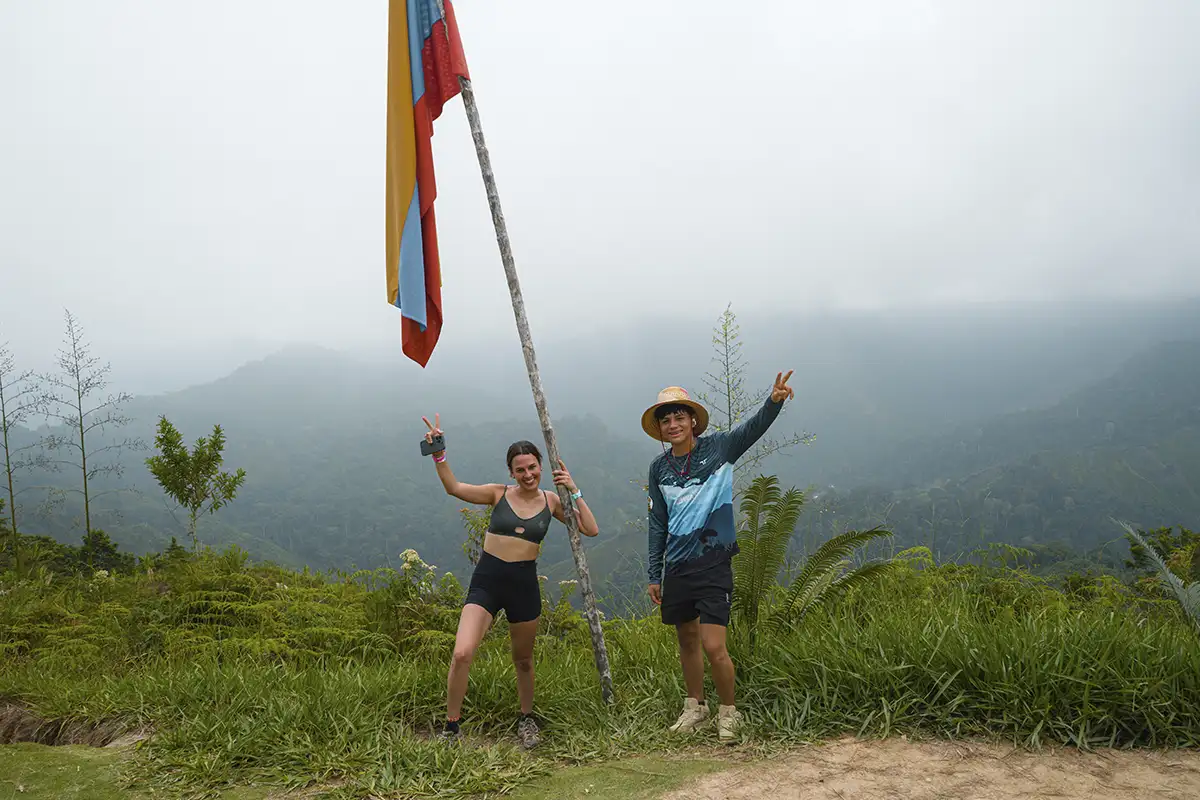
The 5-day Lost City trekking is an experience designed for travelers from around the world who enjoy hiking and the nature that highlights the Sierra Nevada de Santa Marta as a destination of great biodiversity.
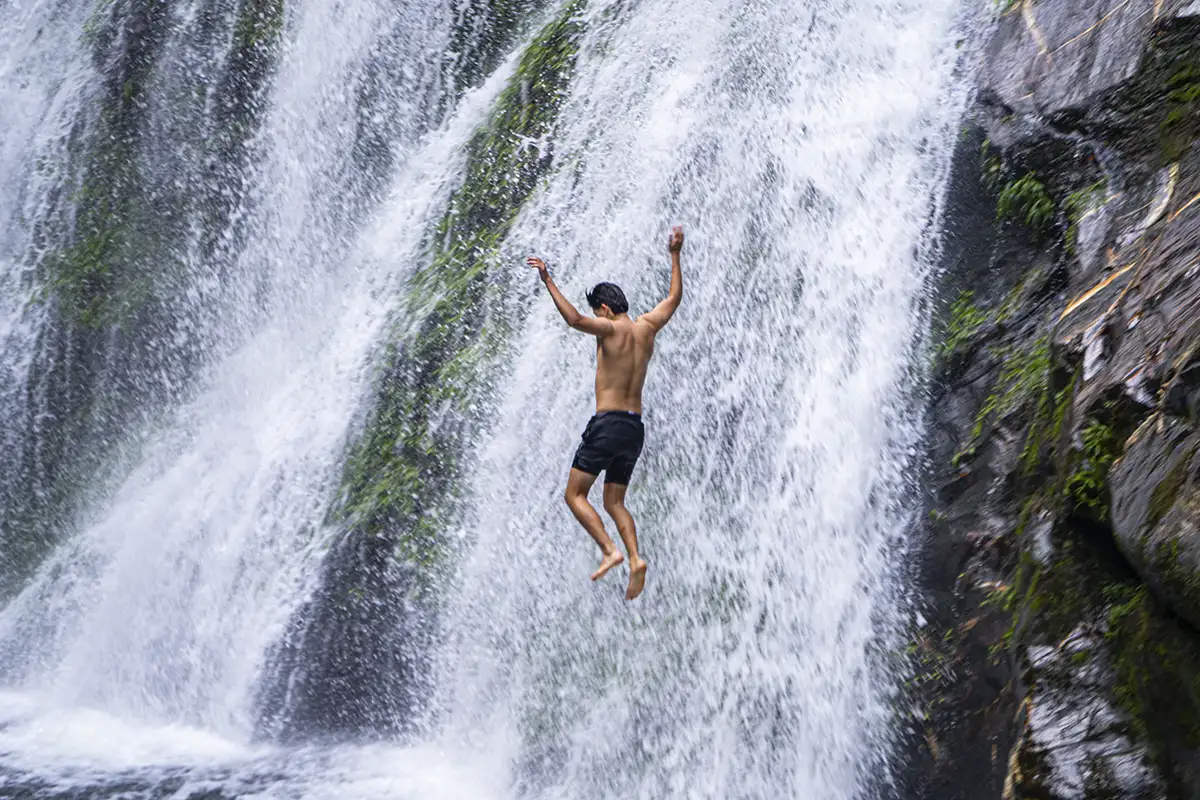
The route shares almost the entire itinerary with the classic 4-day tour, but adds an extra day to detour toward River Station camp, a stretch where the landscape opens to crystalline pools of the Buriticá River and the possibility of visiting a spectacular waterfall and doing tubing.
During the five days of hiking, you’ll cover around 60 kilometers among mountains covered with tropical jungle, crystal-clear rivers, and sacred terraces built by the ancient Tayrona civilization.
Throughout the journey, guides will share with you stories about the cosmovision of the Sierra Nevada de Santa Marta, Kogui and Wiwa traditions, and the spiritual importance of Teyuna, the Lost City, considered one of South America’s most important archaeological treasures.
Ready for the adventure? Book your Lost City experience today and enjoy 5 days of hiking, indigenous culture, and pure nature.
Day 1: Santa Marta → El Mamey → Adán Camp
The 5-day trek to Colombia's Lost City begins early. At 8:30 am, travelers meet at Tezhuna Travel's main office, where the logistics team and guide provide a brief induction about the experience, luggage, and safety recommendations.
Afterwards, you'll transfer in a 4x4 vehicle to El Mamey (Machete Pelao), a village located in the Sierra Nevada de Santa Marta. The journey takes around 3 hours, passing through the city of Santa Marta, rural landscapes, and panoramic mountain views.
Upon arriving at El Mamey, you'll enjoy the tour's first lunch while the guide explains the itinerary details and the trekking route to the first camp.
After lunch, the approximately 4-hour hike to Camp Adán begins, an ideal stretch to acclimatize to the tropical environment and the characteristic humidity of the Sierra Nevada de Santa Marta.
Upon arriving at camp, you'll be settled into your accommodations (hammock or bed with mosquito net), enjoy dinner prepared by Tezhuna Travel's cooks, and get a well-deserved rest under the sounds of nature.
Day 2: Adán Camp → Mumacke Camp → Paso Lorenzo Camp
The tour's second day begins very early with sunrise over the Sierra Nevada de Santa Marta. At 5:00 am, after a nutritious breakfast, the group prepares for the trek's most challenging stage, with nearly 15 kilometers of hiking that combines humid jungle, mountain ascents, and river crossings.
During the route, strategic stops are made at shaded points to hydrate and enjoy the natural surroundings.
Along the way, you'll pass through Mutanzhi, an indigenous village where the guide explains the respect that must be shown for this sacred territory, ancestral home of a Kogui community of the Sierra Nevada de Santa Marta.
Around midday, the group will arrive at Camp Mumacke for lunch and, weather permitting, a quick dip in the crystal-clear waters of the Buriticá River.
After visiting Camp Mumacke, you'll continue the uphill hike to Camp Paso Lorenzo, a stretch of approximately 4 hours between sustained climbs and slippery descents, especially if it has rained.
Upon arrival, you'll enjoy a comforting dinner, a river bath, and rest in hammocks or beds with mosquito nets. It's a demanding day, but the views, biodiversity, and sense of personal achievement make every step worthwhile.
Day 3: Paso Lorenzo Camp → Lost City Teyuna → Mumacke Camp
The tour's third day represents the culminating point of the entire experience: the long-awaited visit to the Lost City Teyuna, an archaeological jewel hidden among the mountains of the Sierra Nevada de Santa Marta.
After an early and comforting breakfast, travelers leave part of their luggage at Camp Paso Lorenzo to ascend with only the essentials. The hike begins along the Buriticá River, where the sound of water accompanies each step before facing the ascent of 1,200 stone steps leading to the ancient Tayrona terraces.
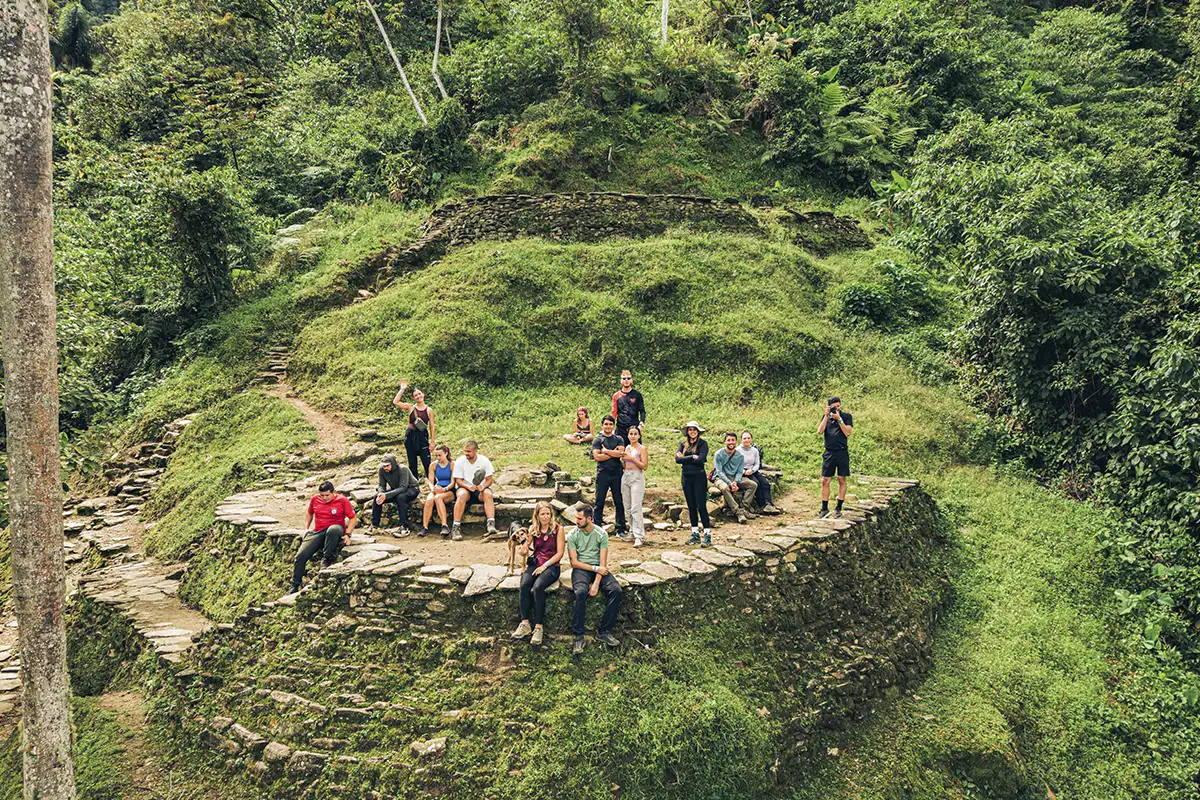
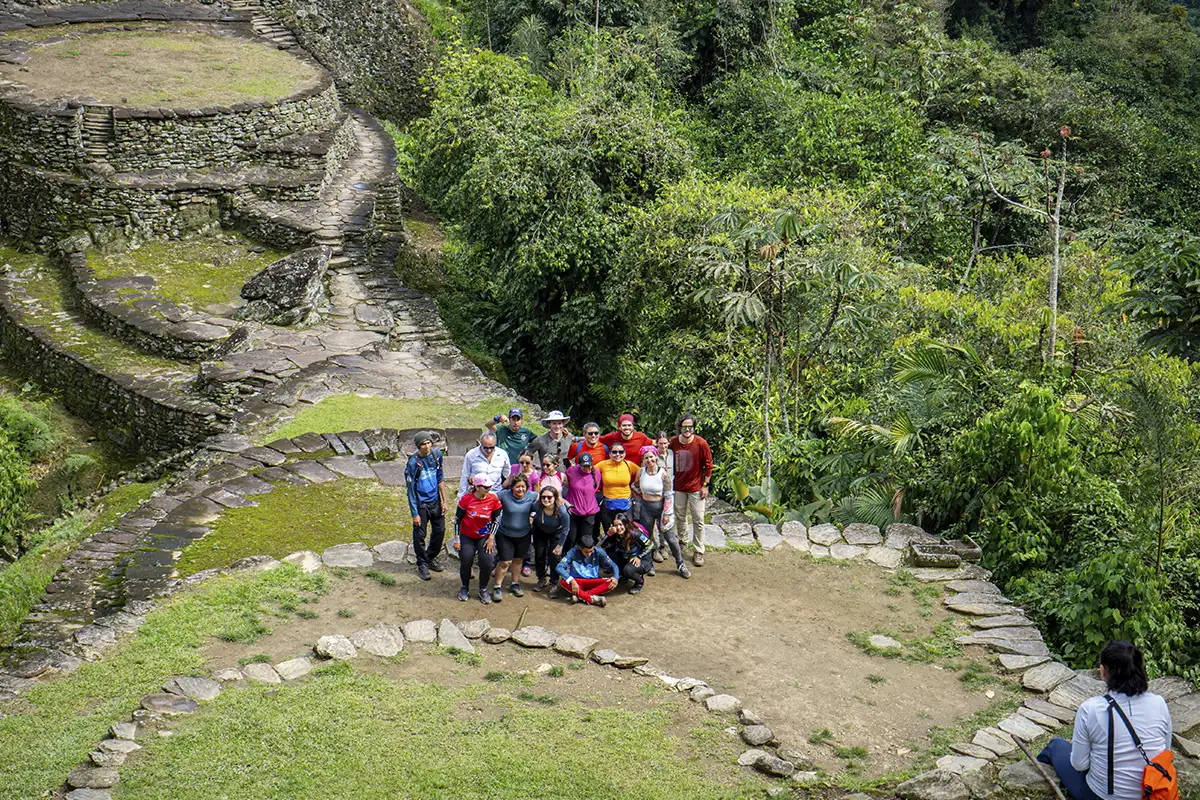
This stretch, approximately one hour, demands physical effort, but the reward upon reaching the top is indescribable. At the summit, the landscape opens before tourists' eyes: a network of circular terraces, stone walls, and ceremonial paths that reveal the legacy of a civilization that flourished over a millennium ago.
There, the guide shares with respect and wisdom the stories about ancestral cosmovision, the norms of coexistence with nature, and the history of the ancient Tayrona.
The tour through Teyuna allows you to explore natural viewpoints, dwelling terraces, sacred spaces, and carefully preserved archaeological sites. Visitors can stop to contemplate the jungle landscape surrounding the site, take photos, or simply feel the energy of the territory, where past and present intertwine in a single pulse.
After the guided visit, the group begins the descent back to Camp Paso Lorenzo, where a well-deserved lunch awaits. Then, you'll reorganize your luggage and continue toward Camp Mumacke, a route of approximately 7.6 kilometers (about four hours of hiking).
As evening falls, the group arrives at camp to enjoy a delicious dinner prepared by the agency's cooks. The day concludes with a well-deserved rest in beds or hammocks with mosquito nets, under the constant sound of the river and the serenity of the mountain.
This day synthesizes the essence of the journey: adventure, history, and spirituality, in an environment where each step connects the traveler with the living memory of indigenous peoples and with the natural force that defines the Sierra Nevada de Santa Marta.
Day 4: Camp Mumacke → River Station Camp
The excursion's fourth day offers a different experience—calmer and more contemplative—ideal for connecting with nature in its purest state. After breakfast at Camp Mumake, travelers prepare to continue the journey toward one of the most beautiful and least traveled areas of the Sierra Nevada de Santa Marta: the Waterfalls Route.
The route begins with a gentle hike from Camp 2 (Mumacke) toward the Wakikuna Cabins, crossing trails covered by dense tropical vegetation where you can observe birds, butterflies, and native species of the humid forest. At this stage, the guide explains aspects of medicinal flora and the environmental balance that indigenous communities of the region preserve.
As the day progresses, the group arrives at the Water Spring, a perfect stop to rest and enjoy the relaxing sound of the surroundings. From there, the path continues toward River Station, making strategic pauses at different natural waterfalls, including the Fan Waterfall, famous for its wide and refreshing cascade, ideal for a revitalizing swim.
The total route has an approximate duration of three hours of effective hiking, distributed in gentle and accessible stretches. However, this day's objective isn't distance, but the experience: enjoying the landscape, immersing yourself in crystalline pools, and contemplating the biodiversity surrounding the Sierra's trails.
Upon arriving at River Station, travelers are welcomed with a typical lunch prepared by local hosts. The afternoon is free to rest, swim, or explore the surroundings, before enjoying a quiet outdoor dinner, accompanied by the sound of the Buriticá River and nocturnal cicadas.
Accommodation is in beds or hammocks with mosquito nets, in a serene environment that invites you to completely disconnect from the outside world. This day marks a restorative pause within the trek, an opportunity to recover energy and enjoy intimate contact with nature, before returning to Santa Marta.
Day 5: River Station Camp → El Mamey → Santa Marta
The Lost City tour's last day begins with the tranquility of dawn at River Station Cabin, surrounded by the sound of water and birdsong. After an outdoor breakfast, travelers get ready to undertake the final hike back to civilization, thus closing one of the most memorable experiences of their time in the Sierra Nevada de Santa Marta.
The trail, approximately 3 kilometers (about 2 hours of hiking), descends gently through stretches of tropical forest and peasant and indigenous territories, offering the last views of the landscape that accompanied the entire journey. During the route, the guide takes the opportunity to share reflections on the importance of preserving this ancestral territory and the harmony that defines it.
Upon arriving back at El Mamey (Machete Pelao), travelers enjoy a typical lunch prepared by peasant families who collaborate with community tourism agencies. It's the perfect moment to relax, stretch your legs, share anecdotes, and celebrate the achievement of having completed one of Colombia's most emblematic treks.
Afterwards, the group boards the 4x4 vehicle that will take them back to Santa Marta, with an approximate duration of 3 hours. Arrival time may vary between 3:00 pm and 5:00 pm, depending on weather conditions and road traffic.
The day concludes with the satisfaction of having traveled for 5 days over 60 kilometers of history, culture, and living nature—an experience that leaves a deep mark on the memory of those who venture to discover Colombia's Lost City, one of the continent's most fascinating destinations.
What does the Lost City Trekking in Colombia consist of?
The Lost City tour is a multi-day trek (3, 4, or 5 days, depending on the plan) that covers between 55 and 60 km round trip, through the Sierra Nevada de Santa Marta to reach the archaeological site of Teyuna, known as the Lost City.
The excursion combines nature, indigenous culture, and physical adventure. It includes full meals, accommodation in camps, local guides, and official permits to enter the sacred territory.
How many days does the Lost City trek last?
The most common routes are 3 days, 4 days, or 5 days, but the 4-day Lost City tour is the most popular because it concentrates the complete route into an intense and well-designed experience. The hike adapts to the group's pace and is always guided by authorized tour guides.
How difficult is the Lost City tour?
The trek has a medium-high difficulty level. It includes long climbs, steep descents, muddy trails, river crossings, and 6 to 8-hour hikes per day. You don't need to be an athlete, but you do need to be in good physical condition and used to walking. The humidity and heat of the Sierra Nevada increase the sense of effort.
What's the best time of year to travel to the Lost City?
It can be done year-round, but the best time is during dry season (December - March and July - August), when trails are firmer. During rainy season, rivers rise and paths become slippery, which increases the difficulty level. However, guides adjust the pace and ensure the group's safety at any time of year.
Where do you sleep during the trek?
Tourist accommodation is in sturdy camps in the Sierra Nevada de Santa Marta created by the indigenous or rural communities of the area. There are two options:
Is the Lost City tour safe?
Yes, it's safe. The route is controlled by indigenous communities and authorized operators. You walk in a group, with experienced tour guides and protocols in case of rain, rising rivers, or fatigue. Additionally, entry is only possible with certified tour operators.
Can I do the Lost City without a guide?
No. Access to the Lost City is prohibited without an authorized operator by the indigenous communities and environmental authorities. The area is sacred territory and requires accompaniment to ensure safety, cultural respect, and environmental protection.
Is it possible to swim in the Buriticá river during the tour?
Yes. Along the route there are rivers and natural pools where travelers can cool off. At almost all camps it's possible to bathe in the river or in cold showers.
What type of food is offered at the camps?
Meals are homemade and abundant: rice, chicken, pasta, fruits, coffee, and natural juices. If you're vegan or vegetarian, you must inform us in advance so logistics can prepare special food options.
Do the camps have internet or cell signal?
During most of the trek there's no cell signal. Some camps offer limited WiFi, although it's not always stable. It's an ideal trip to disconnect.
What risks or difficulties can you encounter during the Lost City tour?
The main challenges are:
Is the Lost City tour recommended for children or seniors?
It's recommended for people from 14 years old with good physical condition. Seniors can do it as long as they have experience walking long distances and have medical approval.
Can I bring drones or professional equipment?
No. Drone use is prohibited in most of the territory out of respect for indigenous communities and due to environmental regulations. Professional cameras are allowed as long as you don't take photos of indigenous people without permission.